Buyer guide
Fiber vs CO2 vs UV Laser Marking — Which One Do You Need?
Fiber, CO2 and UV lasers mark different materials. Choose the wrong one and the mark is faint, burnt or missing — here is which laser suits metal, leather, glass and electronics.
Most buyers ask this first, and it is the right question. The three laser types do not mark the same materials.
Fiber laser marking — best for metal
Fiber lasers mark metal and hard plastics: steel, titanium, copper, aluminium, and coated metals. They are the workhorses in this catalogue — 15 of the 27 machines here are fiber, from $1,257 for the Static Marking Series Integrated Fiber machine to $9,430 for the 100W large-format fiber machine. They mark fast, the mark is permanent, and they need little maintenance. If you mark metal parts, tools, jewellery or electronic components, start with fiber.
CO2 laser marking — best for non-metal
CO2 lasers mark leather, cloth, wood, bamboo, paper, acrylic and stone. The 7 CO2 machines here cost $1,400 to $12,830 — the most expensive is the 100 W CO2 RF machine at $12,830. Use CO2 for glasses, leather goods, clothing, footwear, wood products, craft gifts and packaging.
UV laser marking — best for delicate, ultra-fine work
UV lasers mark with very little heat, so they suit glass, TFT and LCD screens, thin ceramics, silicon wafers, sapphire and polymer film. The 3 UV machines here start at $3,685, with higher-power options up to $7,857. Use UV for electronics, medical devices, cosmetics and glassware — work where a fiber or CO2 laser would crack or burn the surface.
Quick answer
Metal or hard plastic: fiber. Leather, wood, paper or acrylic: CO2. Glass, screens or medical parts: UV. Still unsure? Call or text +1 (914) 382-5829 and ask which machine they recommend.
Machines mentioned in this guide
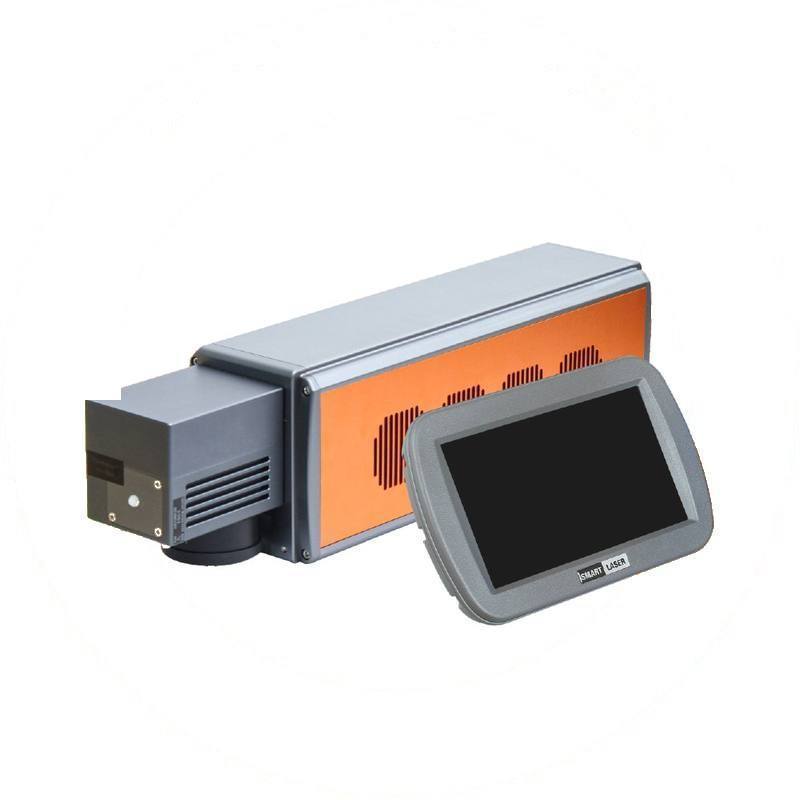
Flying Series Integrated Fiber Laser Marking Machine
From $1,829.00$1,900.00
20W · Metal, hard plastic
View machine →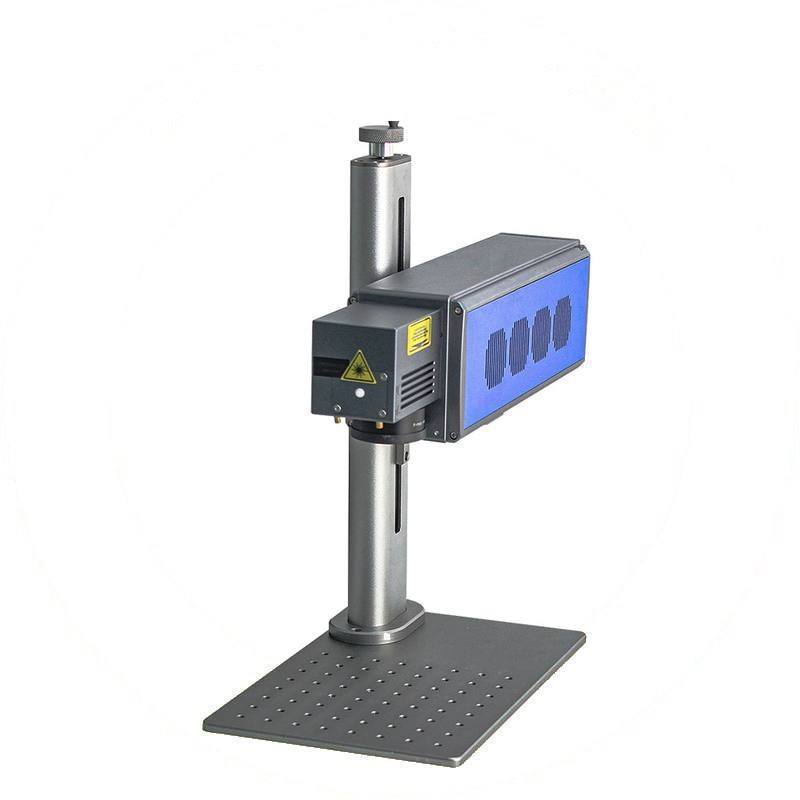
Static Marking Series Integrated Fiber Laser Marking Machine
From $1,257.00$1,300.00
20W · Metal, hard plastic
View machine →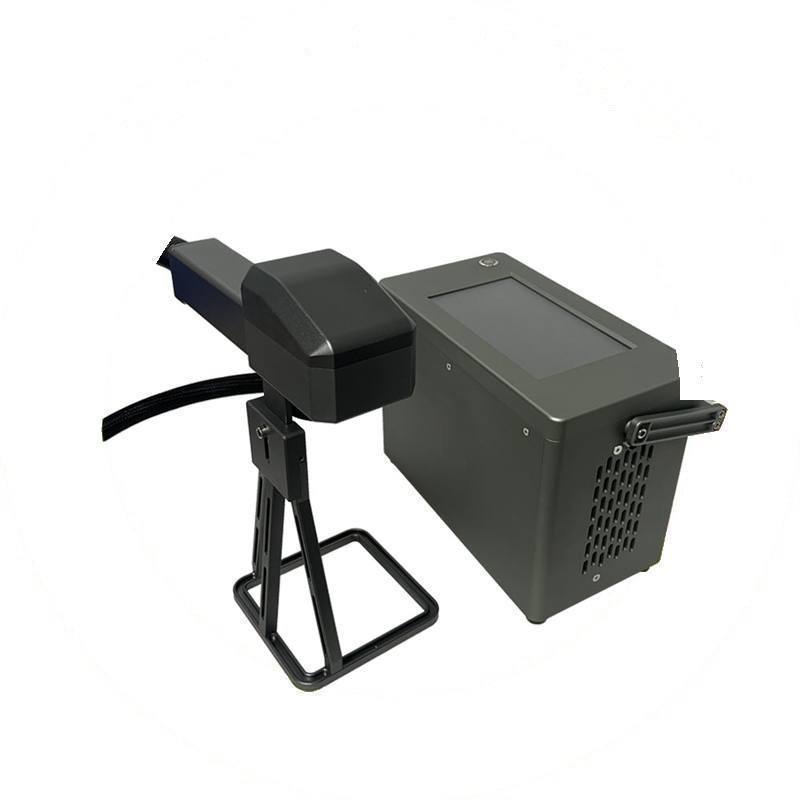
20W Small Portable Handheld Laser Coding Machine
From $2,260.00$2,300.00
20W · Metal, hard plastic
View machine →More buyer guides
- How to Choose Laser Power — 20W vs 30W vs 50W vs 100W
- Laser Marking Machine Price Guide — What $1,257 to $12,830 Buys You
- Laser Marking on Metal — Stainless Steel, Aluminium, Copper and More
- Laser Marking on Plastic — ABS, Nylon, PES and More
- Laser Marking on Leather, Wood and Acrylic
- Laser Marking on Glass — Screens, Glassware and Bottles
- Handheld vs Cabinet Laser Marking Machine — Which Fits Your Workshop?
- Laser Marking for Jewelry — Rings, Watches and Small Metal Parts
- Laser Marking for Auto Parts — Permanent Marks That Survive the Road
- Laser Marking for Electronics and Medical Devices